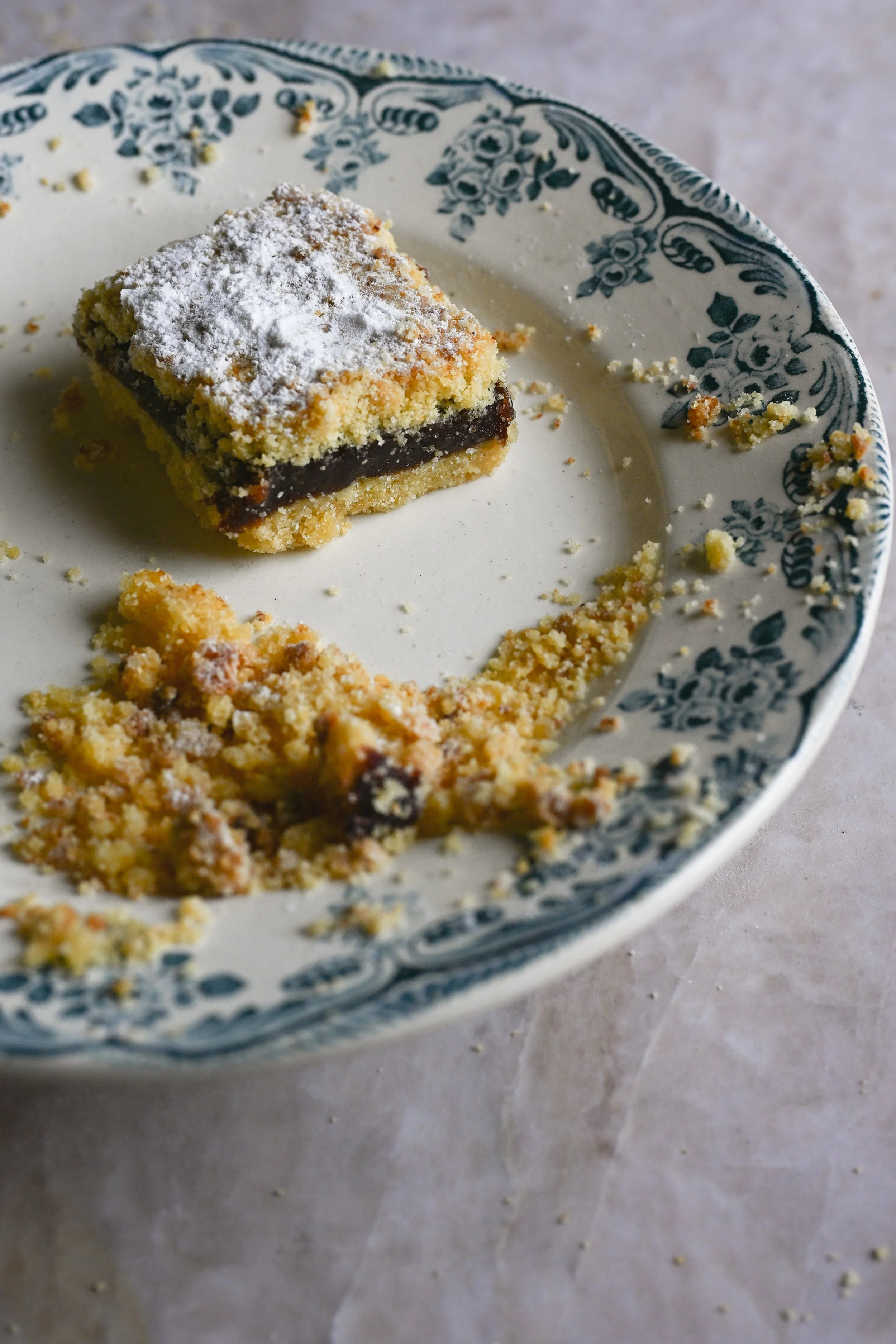
Ma’amoul mad with floral olive oil date filling.
“My freedom is to be what they don’t want me to be.” — Mahmoud Darwish
It took me quite some time to write this post, because I found myself chained to my ambivalence after a series of unfortunate events.
I wasn’t sure what to feel, or even how to feel, after being diagnosed with COVID-19 and suddenly destined to be quarantined away from home.
I found myself befriending four chipped, pale walls in an old hotel room far away from the city.
I stirred up many feelings while thinking about this horrid experience. There are so many questionable things in life that are sometimes better left unanswered.
However, I’m truly thankful that I was discharged on the third day of Ramadan after testing negative.
Sadly, it felt as though we were living the same day over and over for the entire month. Family gatherings around the iftar table became forbidden. Worshipping in mosques became prohibited. Any form of human connection felt almost illegal.
We were startled by how quickly the month passed, almost without noticing.
Our spirits were never built up the way they usually are when we prepare for Eid.
Yet making Ma’amoul remains one of Eid’s ancient rituals across the Middle East.
Making Ma’amoul Mad is another form of Ma’amoul. Instead of shaping cookies filled with dates or nuts, this version is stretched and layered.
Mad means “stretched” in Arabic.
It’s a smooth, earthy, floral date filling sandwiched between a crumbly, aromatic crust.
And don’t feel chained to the floral flavors — you can use any spice you desire.

Ingredients
Dough
**500 g (2½ cups) fine semolina
85 g (⅔ cup) all-purpose flour
135 g (⅔ cup) granulated sugar
1 tsp mahlab
1 tsp vanilla paste or extract (optional)
1 tsp salt
150 g unsalted butter, melted
2 Tbsp ghee or vegetable shortening
Yeast Mixture
125 ml (½ cup) full-fat milk
4 tsp active dry yeast
1 Tbsp confectioners’ sugar
For Greasing
2 Tbsp tahini
Date Filling
700 g date paste (available at Middle Eastern stores)
1 tsp rose water
1 tsp orange blossom water
1 tsp ground cardamom
80 ml (⅓ cup) olive oil
(you can use half olive oil and half canola oil if you prefer a lighter olive flavor)
Method
Prepare the Dough
In a large bowl, whisk together the semolina, flour, sugar, mahlab, vanilla (if using), and salt.
Make a well in the center and pour in the melted butter and ghee. Mix gradually, drawing a little of the dry ingredients from the sides of the bowl until everything is well combined.
Cover the bowl and set aside for 1 hour.
Activate the Yeast
After 1 hour, combine the milk, yeast, and confectioners’ sugar in a small bowl. Let it sit briefly until slightly foamy.
Add the yeast mixture to the semolina mixture and rub everything together with your fingers until evenly incorporated.
Cover the bowl with plastic wrap and let it rest for another 1 hour.
Prepare the Date Filling
Meanwhile, place the date paste in a large bowl. Add the rose water, orange blossom water, cardamom, and olive oil.
Use your hands to mix everything together. Press and knead the paste to break it down and incorporate the flavors. This process is strangely addictive — don’t say I didn’t warn you.
Continue until you have a smooth, shiny paste, then set aside.
Assemble
Line a 13 × 9 inch (33 × 23 cm) rectangular pan with parchment paper, leaving some overhang so you can lift the bars out later. Grease the parchment with tahini.
Preheat the oven to 180°C (350°F) or 160°C (320°F) for fan ovens.
Sprinkle half of the semolina mixture evenly into the bottom of the pan. Using the palm of your hand, a flat cup, or a spatula, press it firmly into an even layer. It should feel compact and smooth, not crumbly.
Roll the date paste between two sheets of parchment paper to roughly fit the pan (it doesn’t have to be exact).
Slide your arm underneath the parchment and flip the date layer over the semolina base, leaving the bottom parchment in place.
Lightly wet your hands with water to prevent sticking, then gently press and adjust the date filling so it evenly covers the first layer.
Sprinkle the remaining semolina mixture over the top and press gently again, just like the first layer. It does not need to cover the filling perfectly.
Cut the ma’amoul into 12–18 pieces before baking.
Bake
Bake for 30–35 minutes, or until golden brown.
Let the pan cool for about 1 hour, then slice and serve.
Storage
Store the bars in an airtight container at room temperature for up to 1 week.
In our house, they last much longer — sometimes close to a month — and they’re still perfectly edible